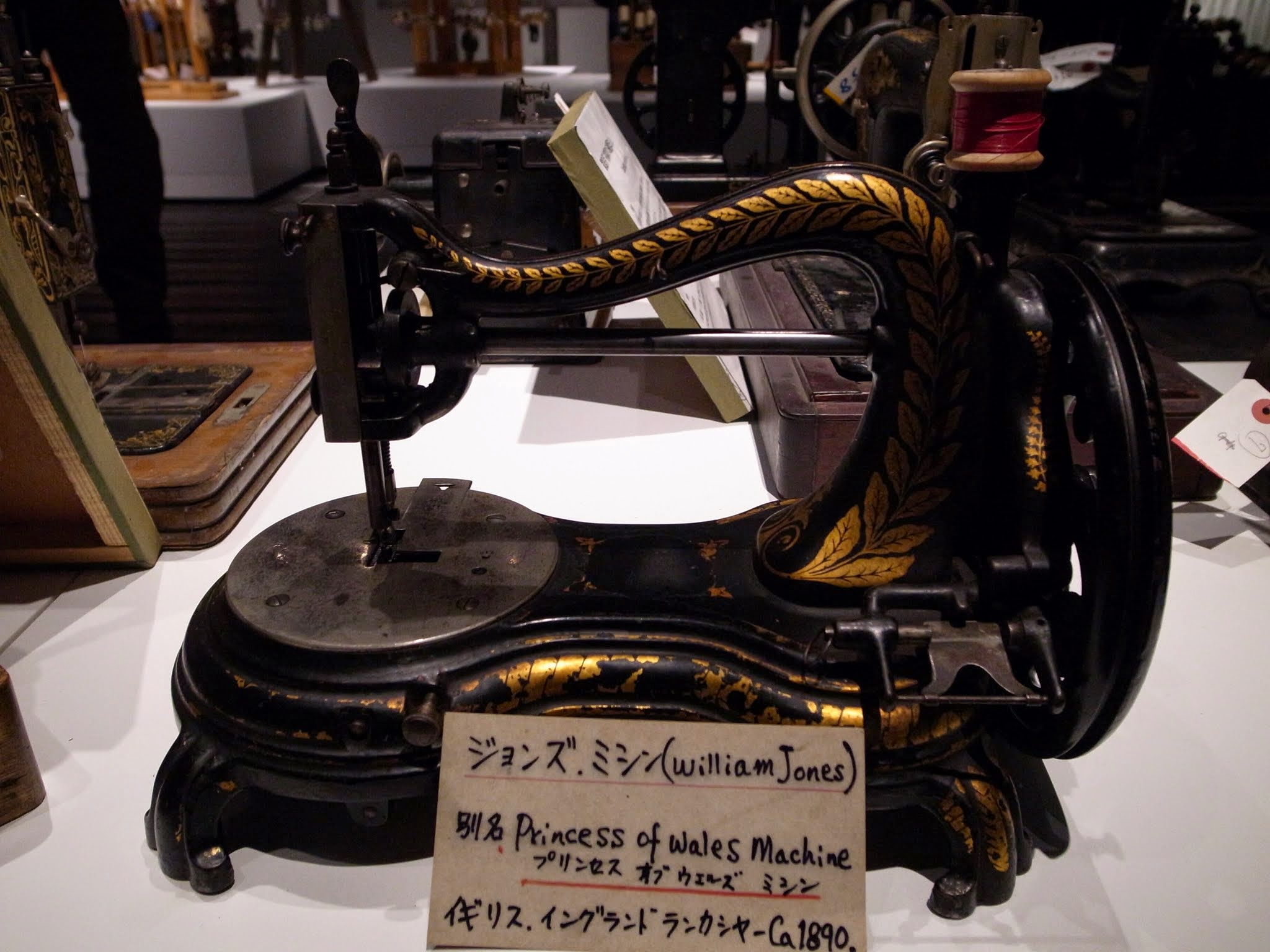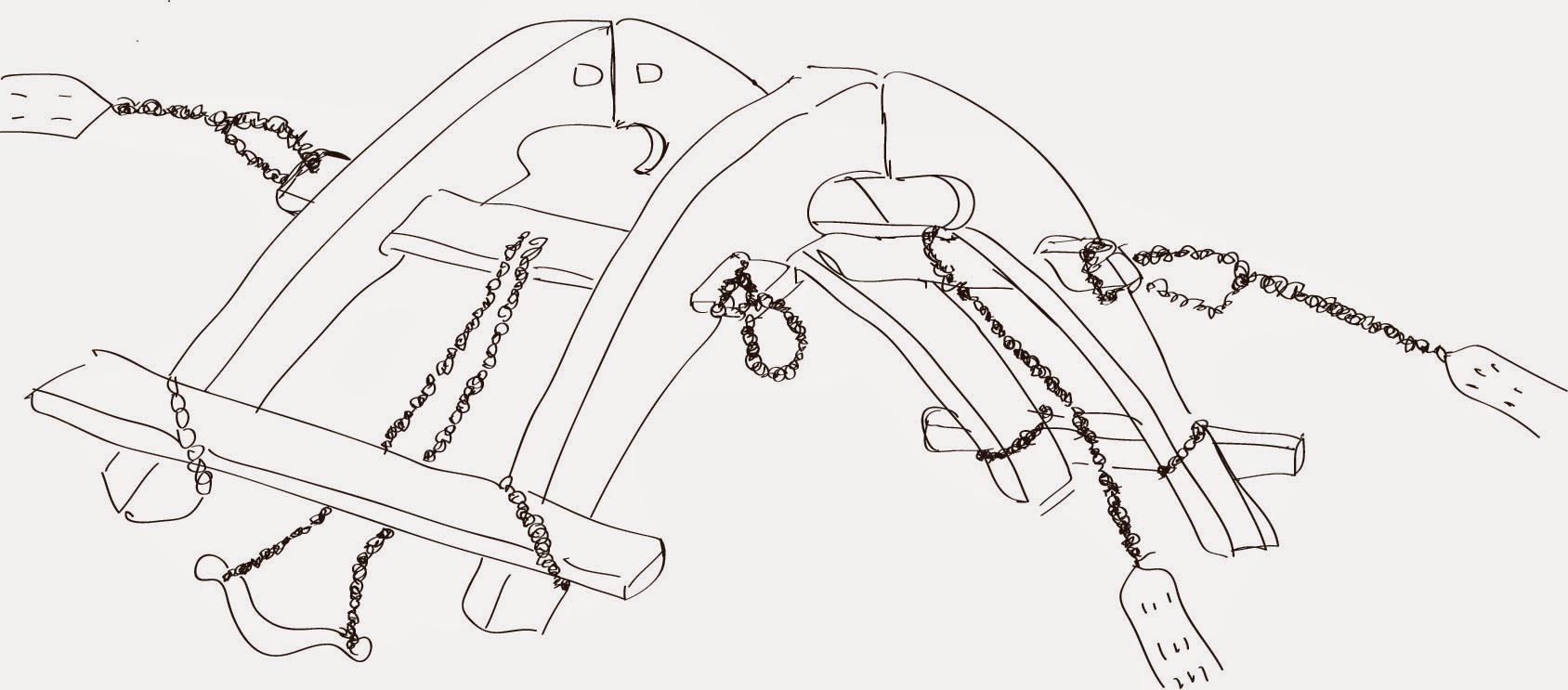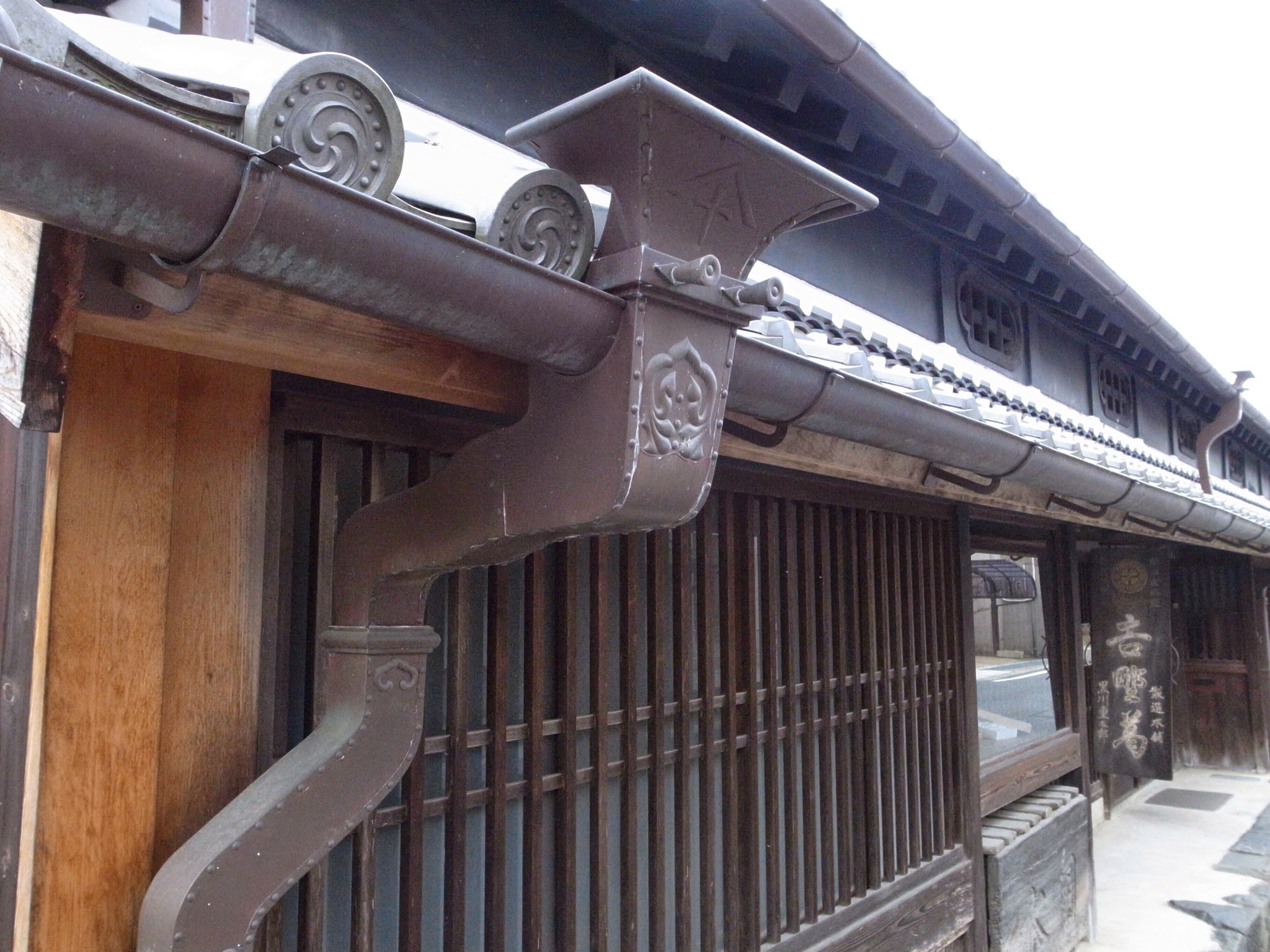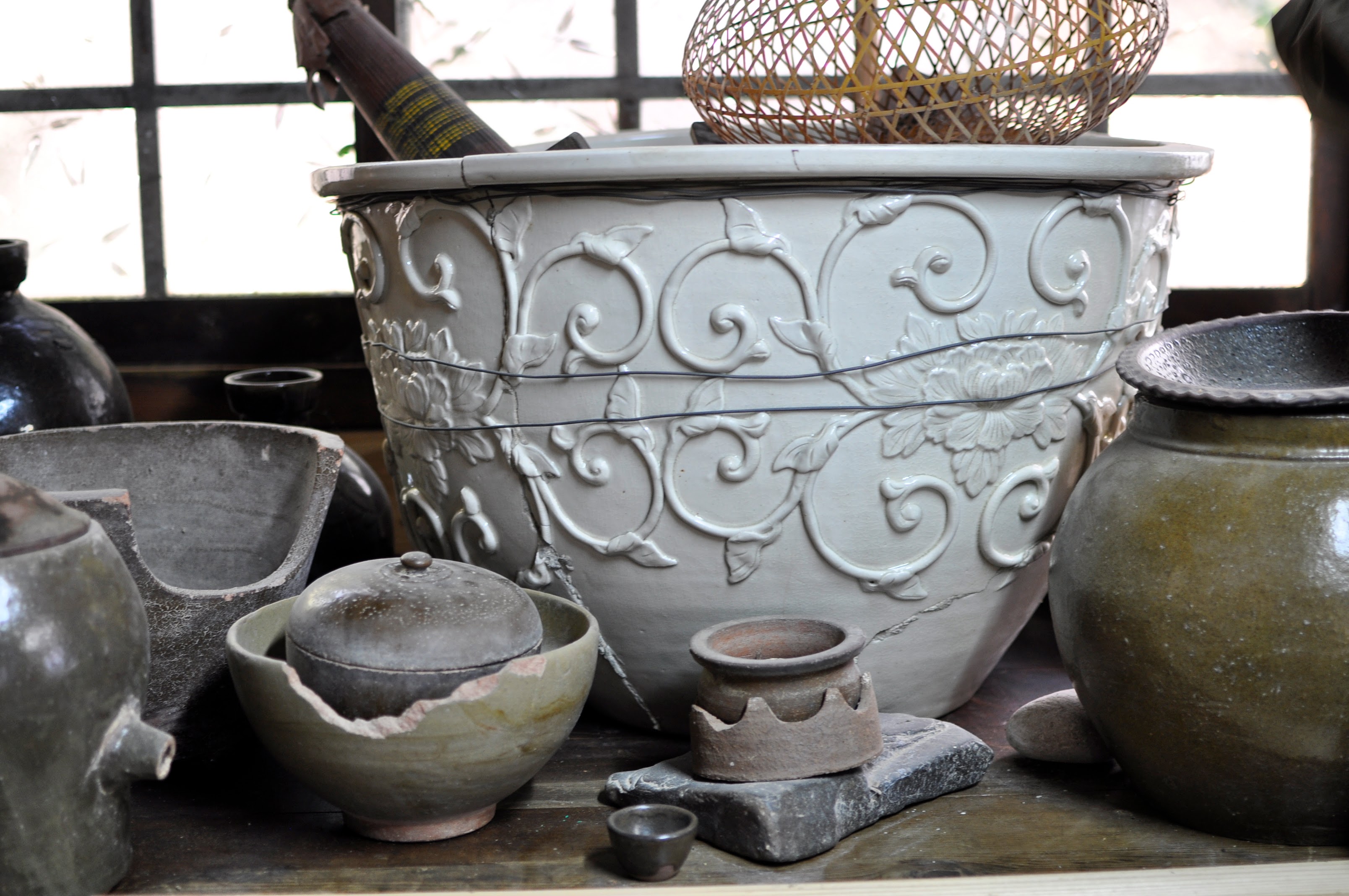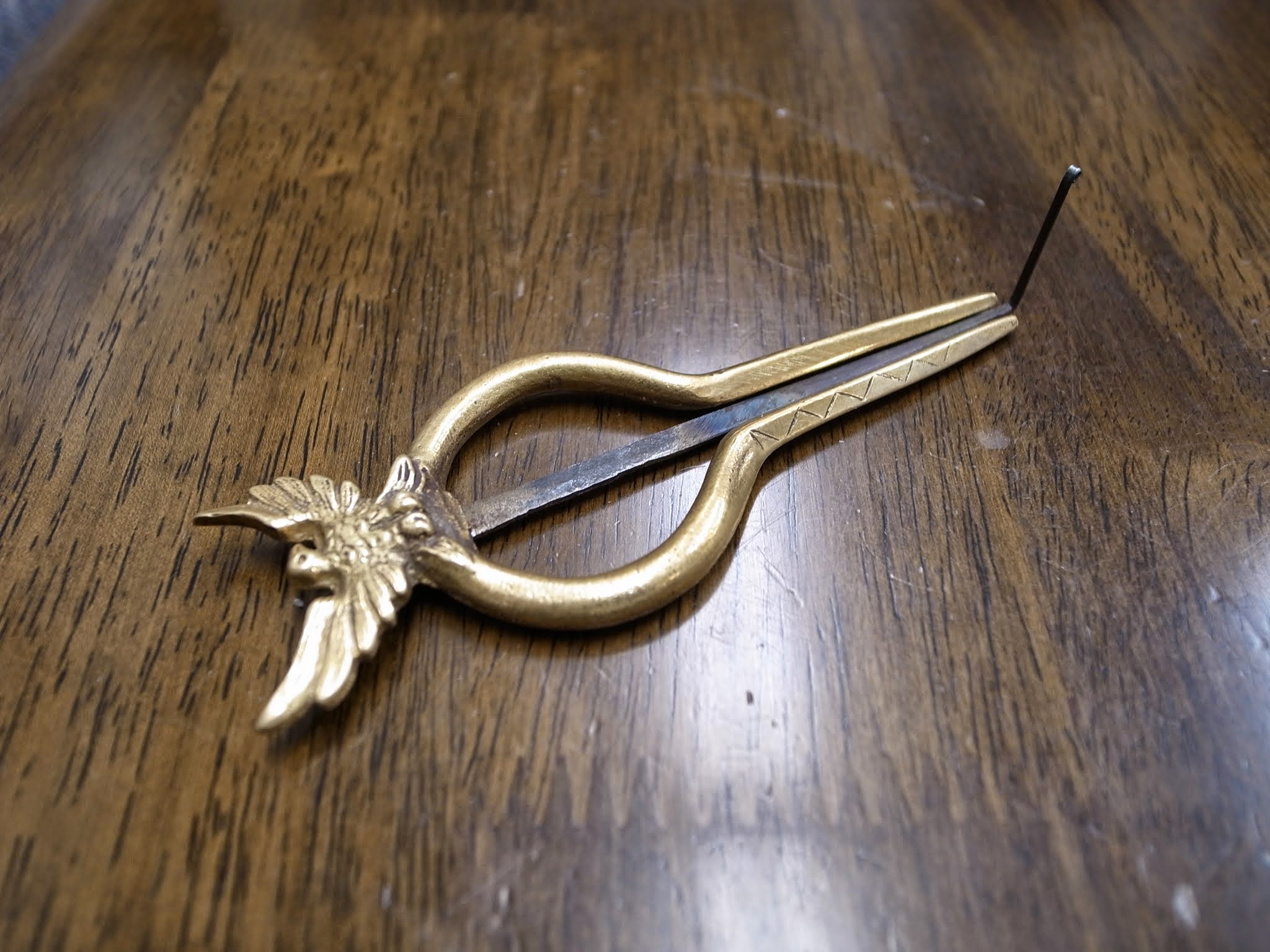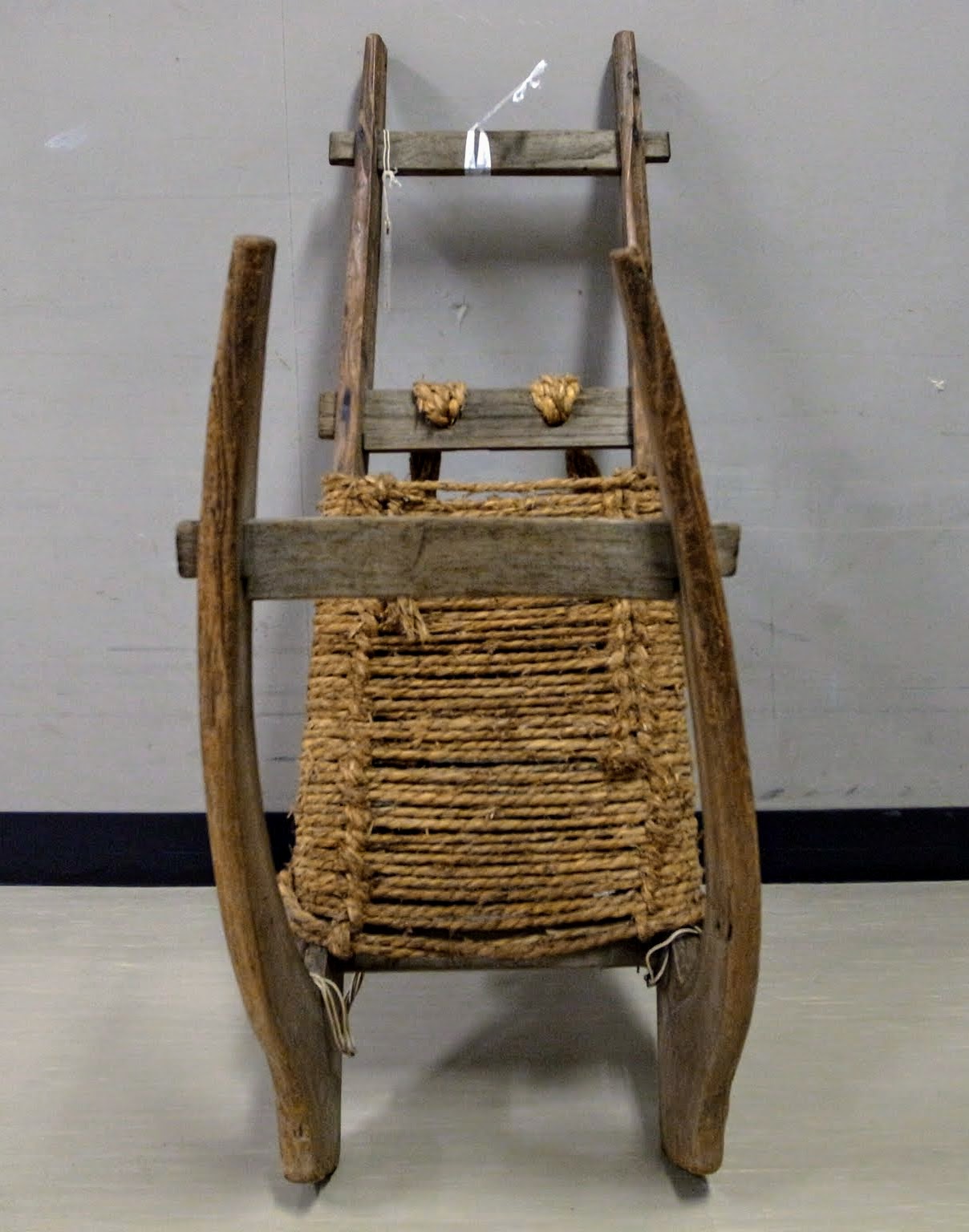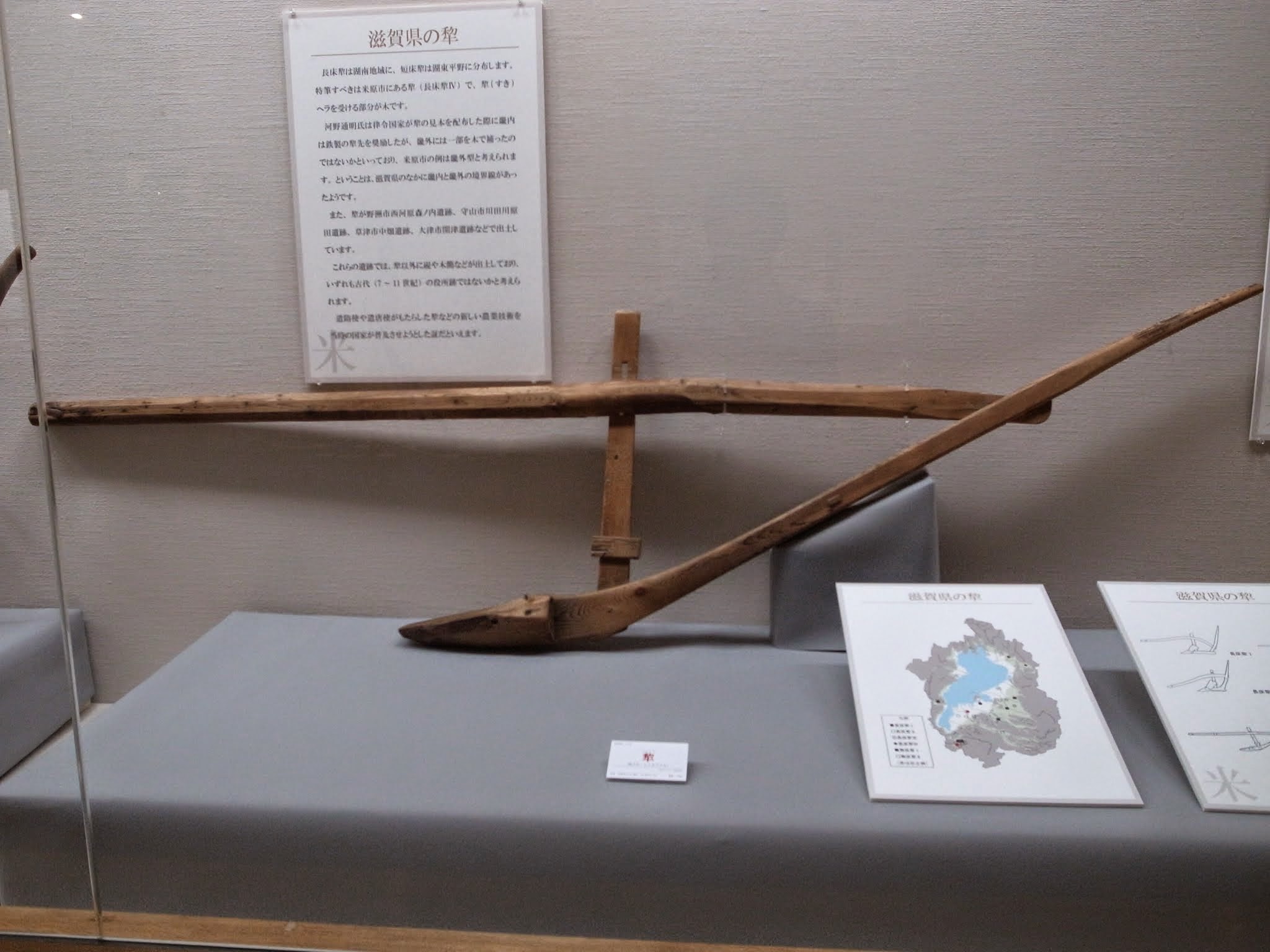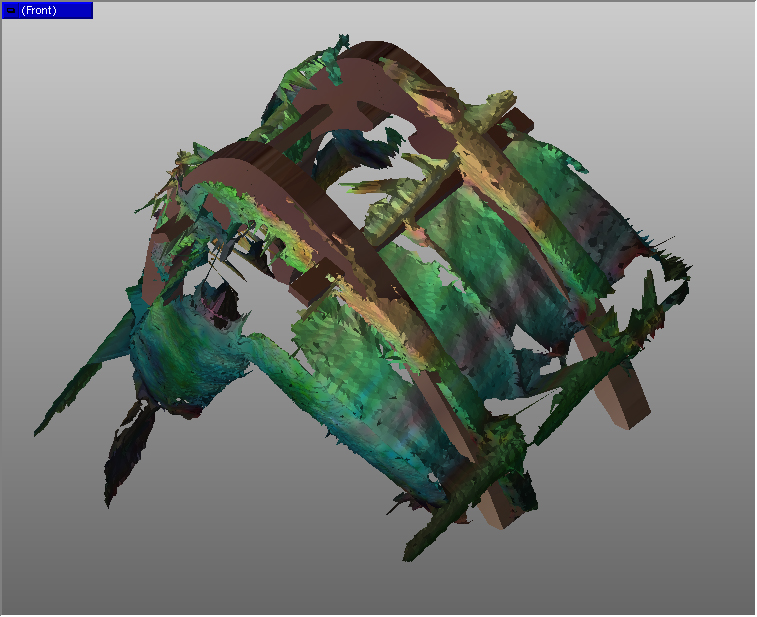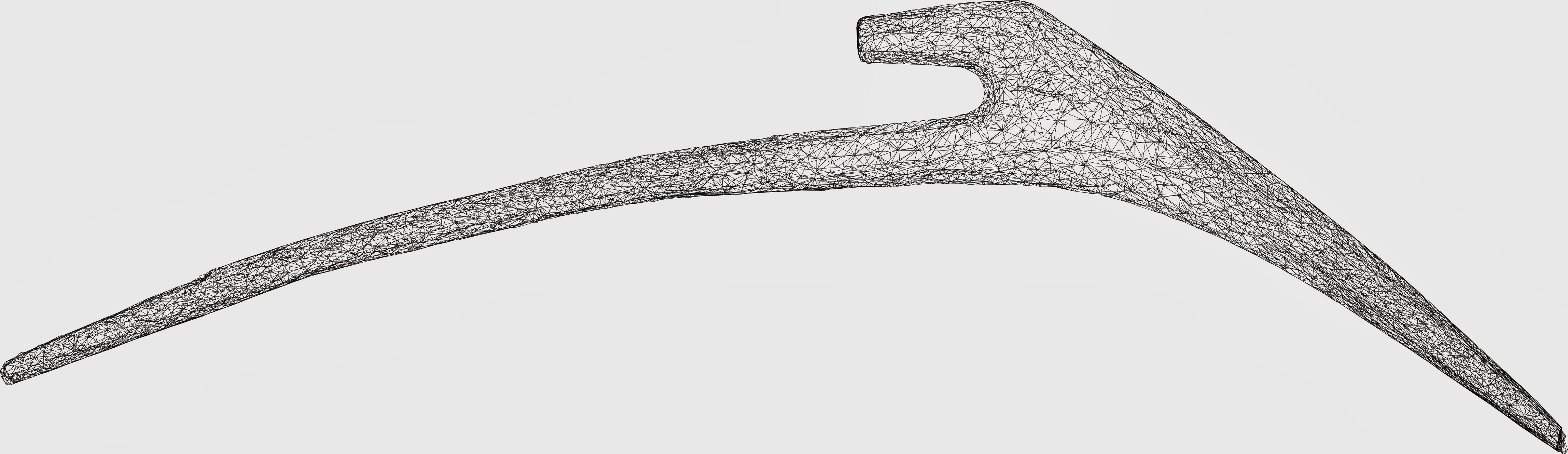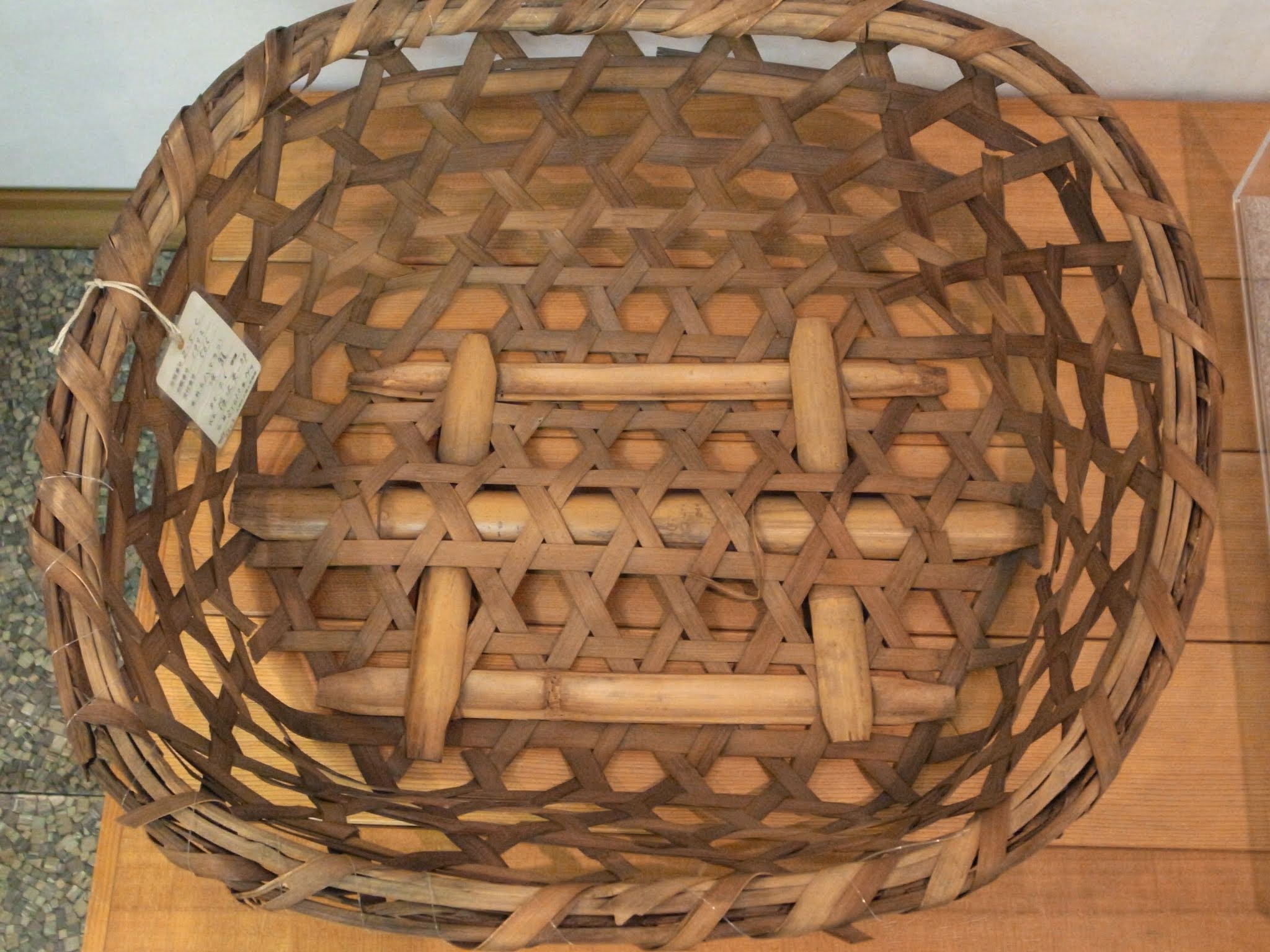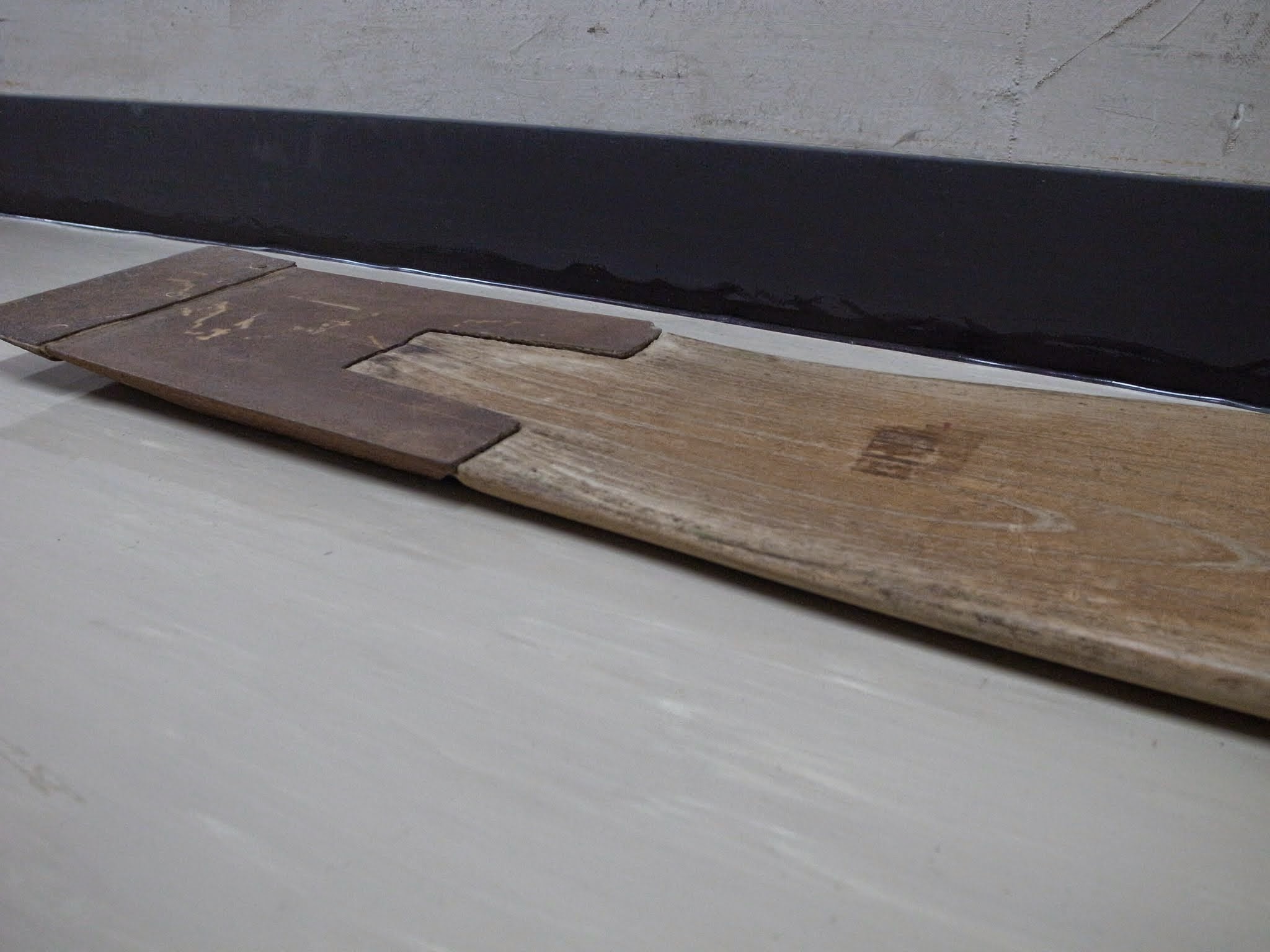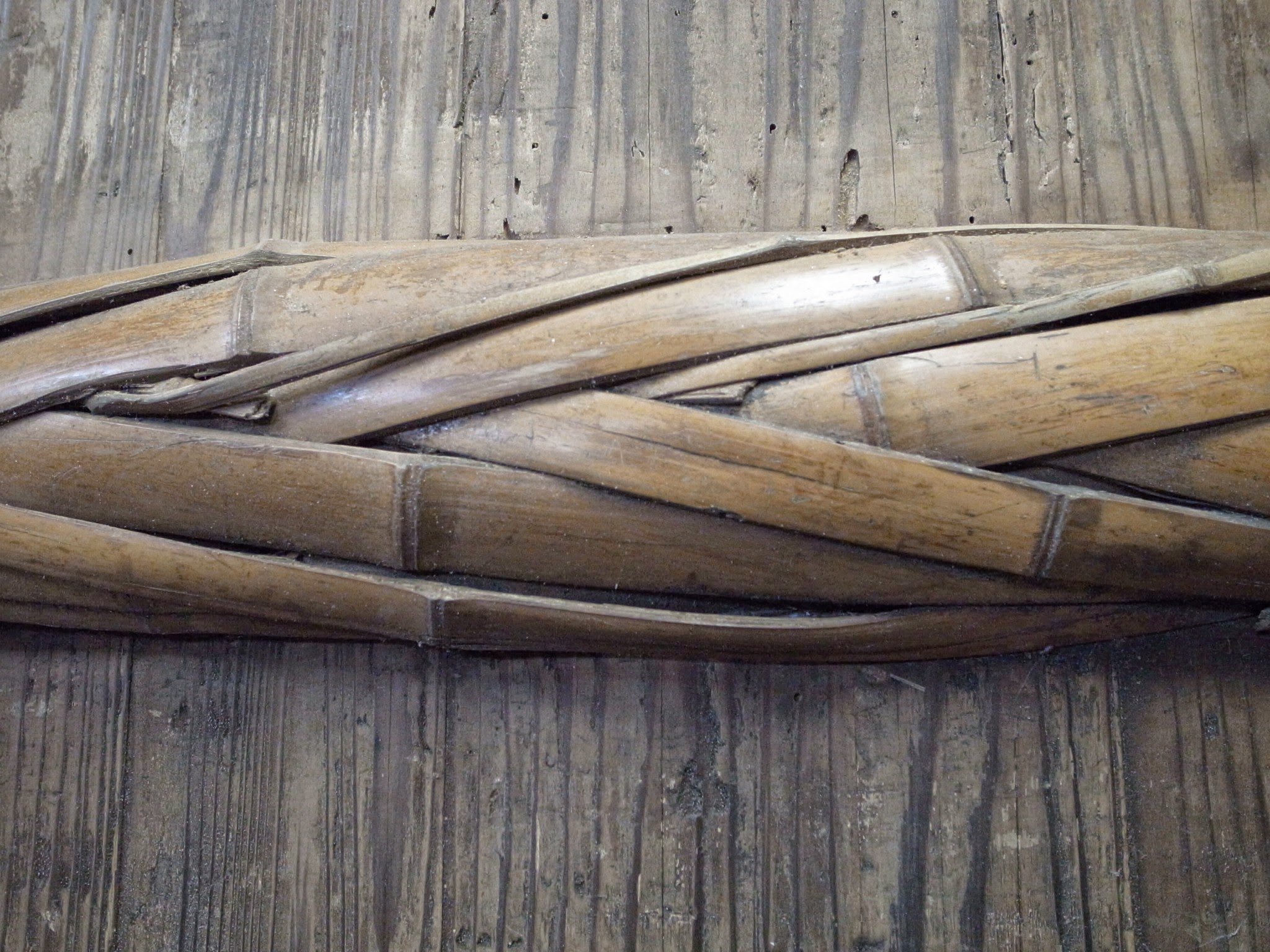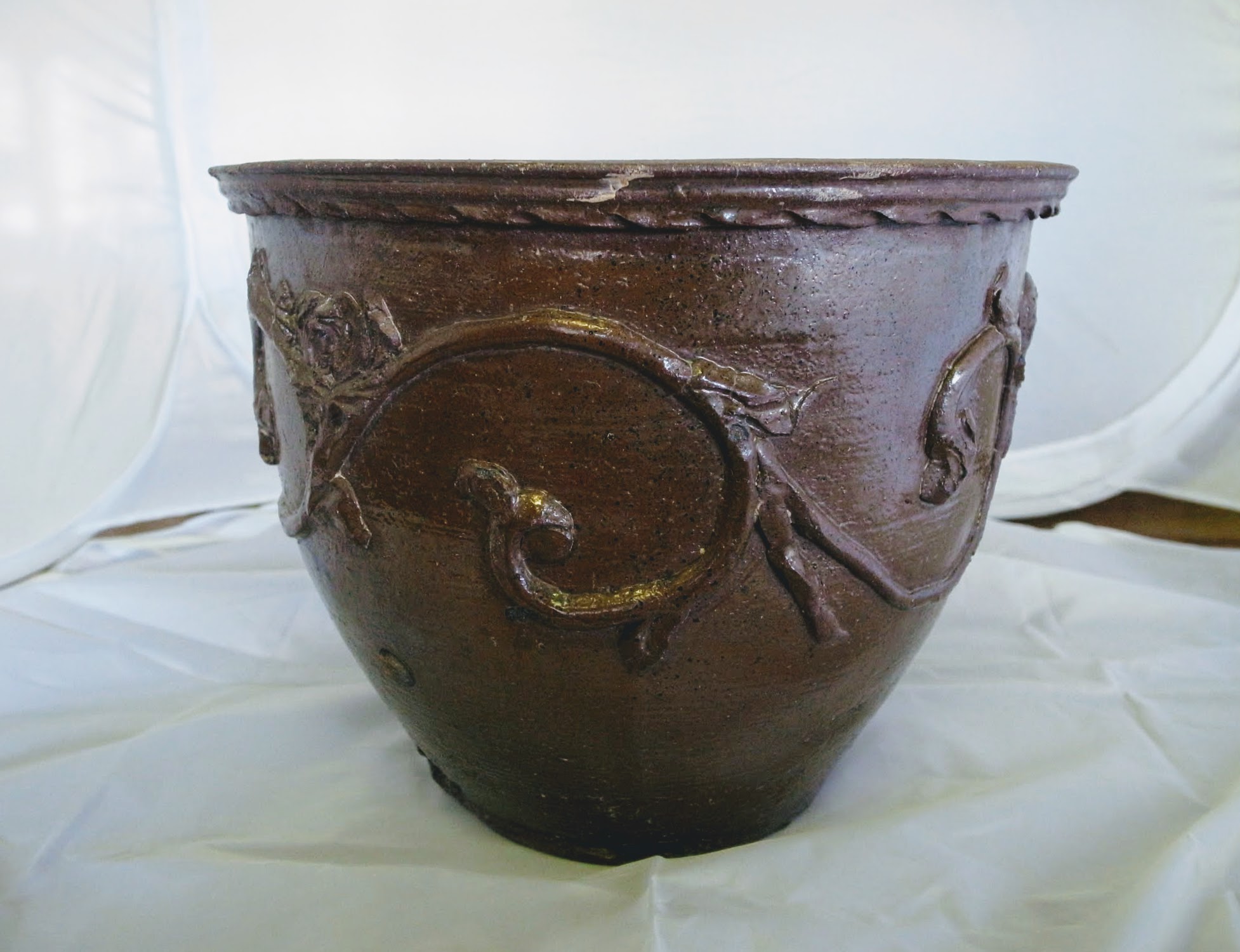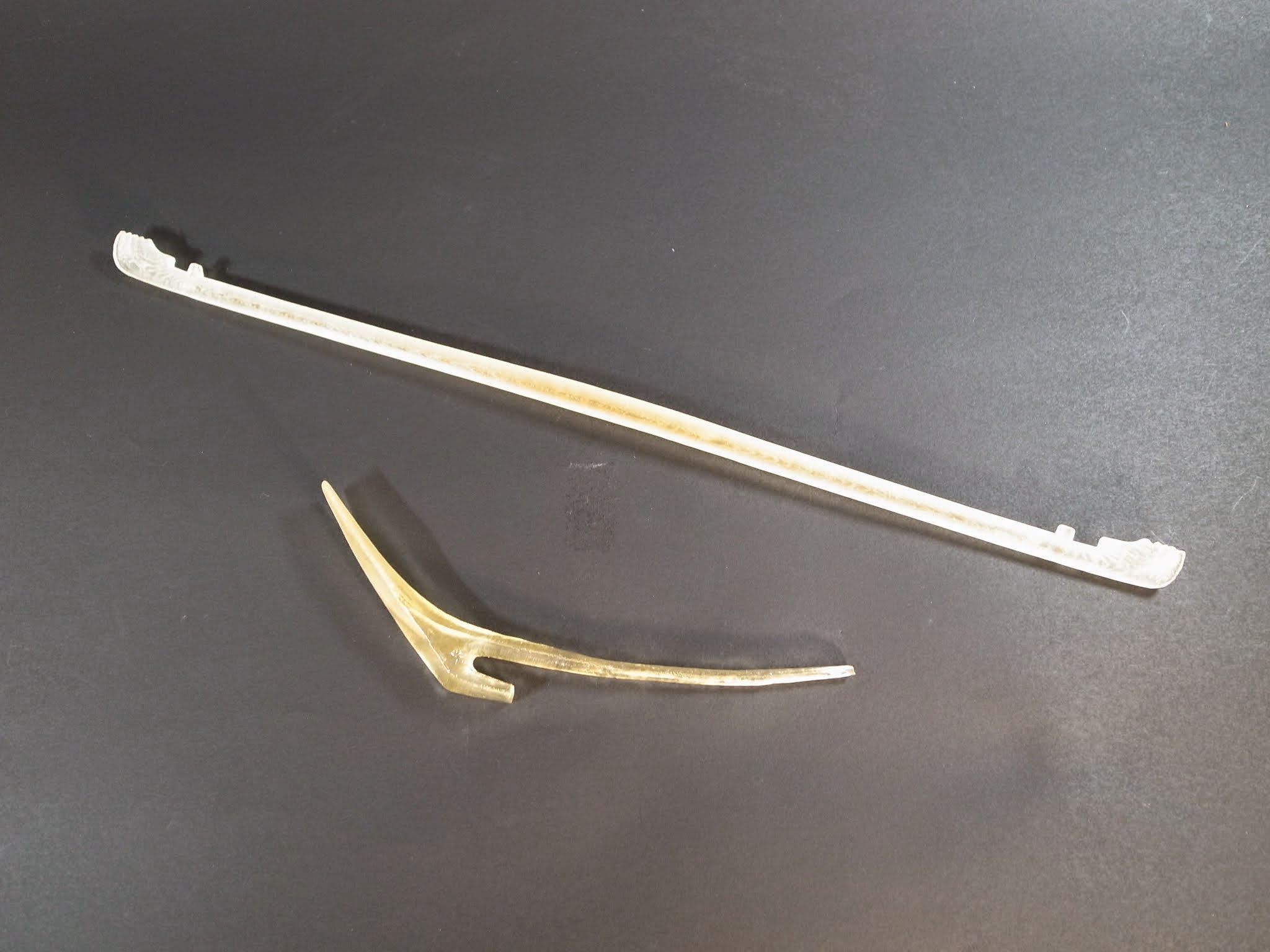
OnkoLab explores the hidden value of anonymous or regionally rooted historical artifacts — including folk tools and temple sculptures — by analyzing their forms, contexts, and embedded knowledge. Our mission is to bring their wisdom into dialogue with contemporary design.

OnkoLab(オンコラボ)は、地域に残された作者不詳の歴史的造形物──民具や社寺彫刻を含む──に内在する造形知や背景をひも解き、その価値を現代のデザインとつなぐことを目指しています。
失われつつある歴史的な形に光を当てて,その形態の意義と価値を再評価し,我々がこれから生きるためのデザインに展開しよう。

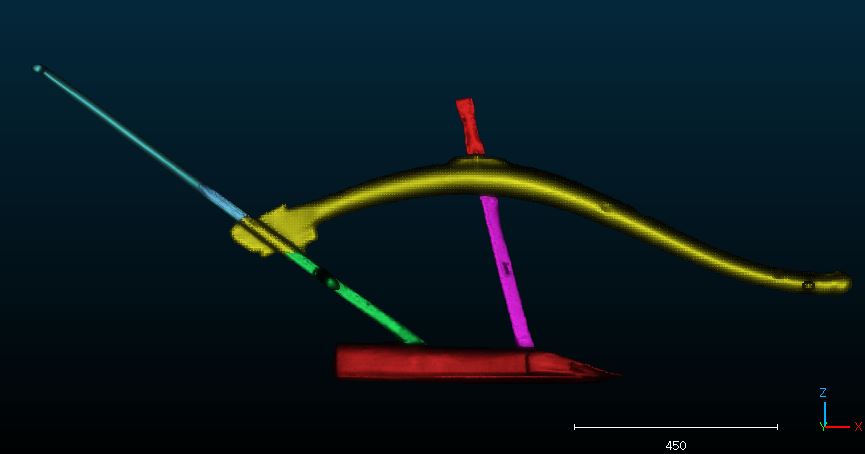
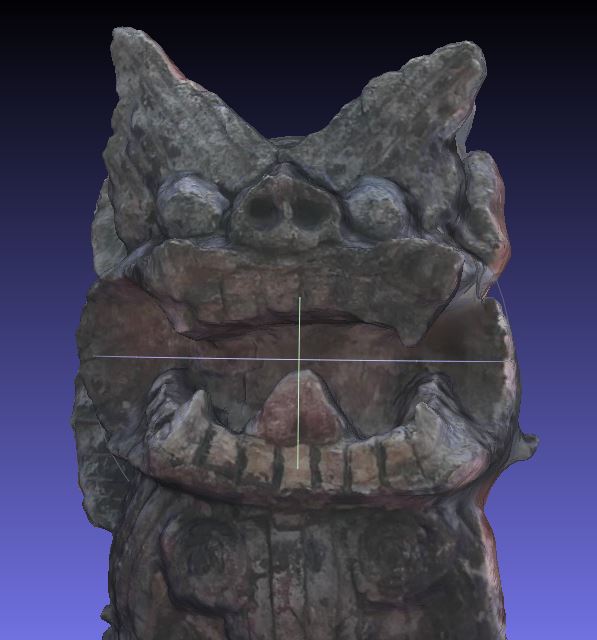
 In this project, we will examine the ideas and devices latent in “ancient artifacts,” such as forms excavated from archaeological sites, forms depicted in drawings and plans left behind today, historical folk forms, folk tools, and folk art forms, which were created by human hands in ancient times and were used by people in those days, as the accumulation and traces of design knowledge applied to help people live in comfort physically, physiologically, and psychologically.

  • 歴史的な道具や彫刻の形態を構成する「構造」と,その形に関わってきた人との関係において定義できる「機能」に目を向ける
  • 工学に加えて,人間工学,感性工学,そしてデザイン学の視点を加えて古来の形態に対する数理的な分析・評価を行う
  • この分析・評価から得られた数理的な知見のモデル化を行う
  • モデル化された造形知を,これからの生きるためのデザインに展開する

これまでの試行錯誤
Trial and error so far

These blogs are just a note about the shapes that we can see around us. We would like to use this record as a clue to explore the precious meaning and value hidden in each form.

The contents of this research blog are to be just that – a ‘trial and error’. We hope that you will understand that they are just notes on thinking about artefacts and nature forms around us every day, and that you will read them with an easygoing and tolerant frame of mind.

 The main purpose of this blog is to trace and verbalise the ideas, ingenuity and efforts that have gone into the forms and systems that our predecessors created over time and that are now being lost, while paying respect to the forms and systems of nature and society that have nurtured those very forms and systems.

 このブログは,あくまでも自分自身が,身の回りで目にすることができる形に関するメモです。このメモを手掛かりにして,それぞれの形に見え隠れする尊い意味と価値を探りたいと思っています。
ここでの記述内容は,そのことを目的とした,まさに「試行錯誤」です。日々の形に関するメモのレベルであるとご理解いただき,気楽に大目に読み流していただければ幸いです。
 ここでの一番の目的は,今まさに失われようとしている,先人たちが時間をかけて創り出してきた形・システム,そしその形を育んできた自然や社会の形・システムに敬意を払いつつ,そこにあるアイデア,工夫,努力の跡をたどり,それらを言語化することでです。

Category

Tag

3D CAD Dragon Japanese only Morphology Workshop シミュレーション モーションキャプチャ 三次元計測:3D digitizing 宮彫 工作:work 工芸:crafts 建造物 形態分析:Morphological analysis 形態力学 彫刻 数理モデル:Mathematical Modeling 構造解析:Structural Analysis 機構解析 民具:Folk tool 民芸:Folk art 流体解析:CFD 玩具:toy 社寺彫刻 箕:winnowing basket 考古:archaeology

A passion for historical artefacts

歴史的人工物への敬意とその将来への思い

We seek to activate 3D technology and reverse engineering techniques to verbalize the tacit knowledge latent in the form and function of historical artifacts, which seem to be a conglomeration of the wisdom, ingenuity, and ideas of our ancestors that are being lost today, and to develop them into designs for not only our daily life but also living spaces in extreme conditions, such as outer space and undersea environments in the future.

歴史的人工物に蓄積された造形知や道具観を,道具と人間の身体能力/身体知との関係がダイレクトに拮抗する,宇宙や海底での生活環境などでイメージできるような,極限に近い状態で生きるためのデザインに生かし,仮にその物理的な形態が失われることがあっても,そこにある「知」を未来につなぐ。

Design Consulting

We aim for the fusion of design thinking and engineering with cross-disciplinary solutions.
Design research, design consulting and design engineering education related to man-made objects
人工物に関わるデザインリサーチ・デザインコンサルティング・デザイン工学教育

Design Simulation

We set out to simulate real-life dynamic relationships between people and objects with 3D CAE solutions.
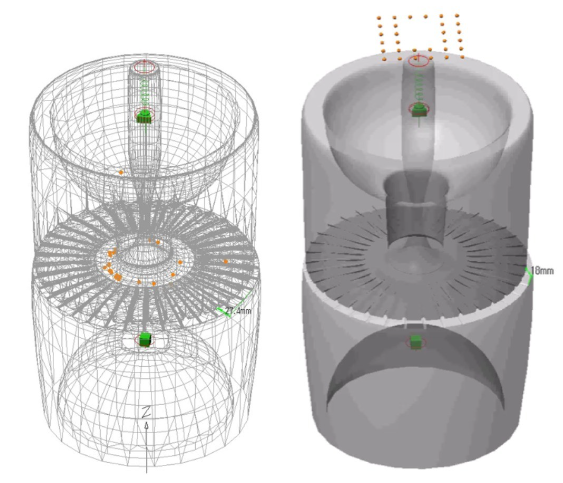
3D measurement, analysis and physical simulation of historical artefacts.
歴史的人工物の3D計測,分析,物理シミュレーション

Design Survey

Our aim is to undertake explorations, morphological data collection and analysis pertaining to various artifacts remaining in the region, and the discovery of their latent value.
Visualisation of latent formative knowledge in historical artefacts and structural design that makes use of it
歴史的人工物に潜在する造形知の可視化とそれを活かした構造デザイン

What we can do and the policy of our laboratory

We aim to involve equally everyone who has the same objectives in morphological surveys and analyses, design thinking with numerical design methods and design proposals, and to provide the impetus for ongoing, spontaneous design activities.

For example, in a 3D-related process applied to historical artifacts that are left behind in various locations, we will provide an operating environment that can be used by all involved parties to the greatest extent possible, so that the design process could involve many people in the project.

We think this could allow everyone involved to participate, learn, conceive, and collaborate towards a goal.

Activate 3D-modelling

  • Instead of simply creating beautiful 3D data, we should try to learn a lot from it.
  • We aim to make full use of 3D-related applications that can be used as plainly as possible, so everyone can operate them by themselves and think deeply about the 3D forms.
  • Let us experience together the world of historical artifacts from the viewpoints of design and engineering combined.

Taking on the challenge of numerical design methods

  • Using multivariate analysis and text manning
  • Balancing the subjective and objective
  • Integrating ergonomics, affective engineering, and design engineering

We are just starting out, but we have big dreams and
would like to expand this project to a global level to reassess the value of
our own existence on earth and to live well together through
this project regarding historical artefacts.

Mitsunori KUBO

デザインラボ・温故知新代表